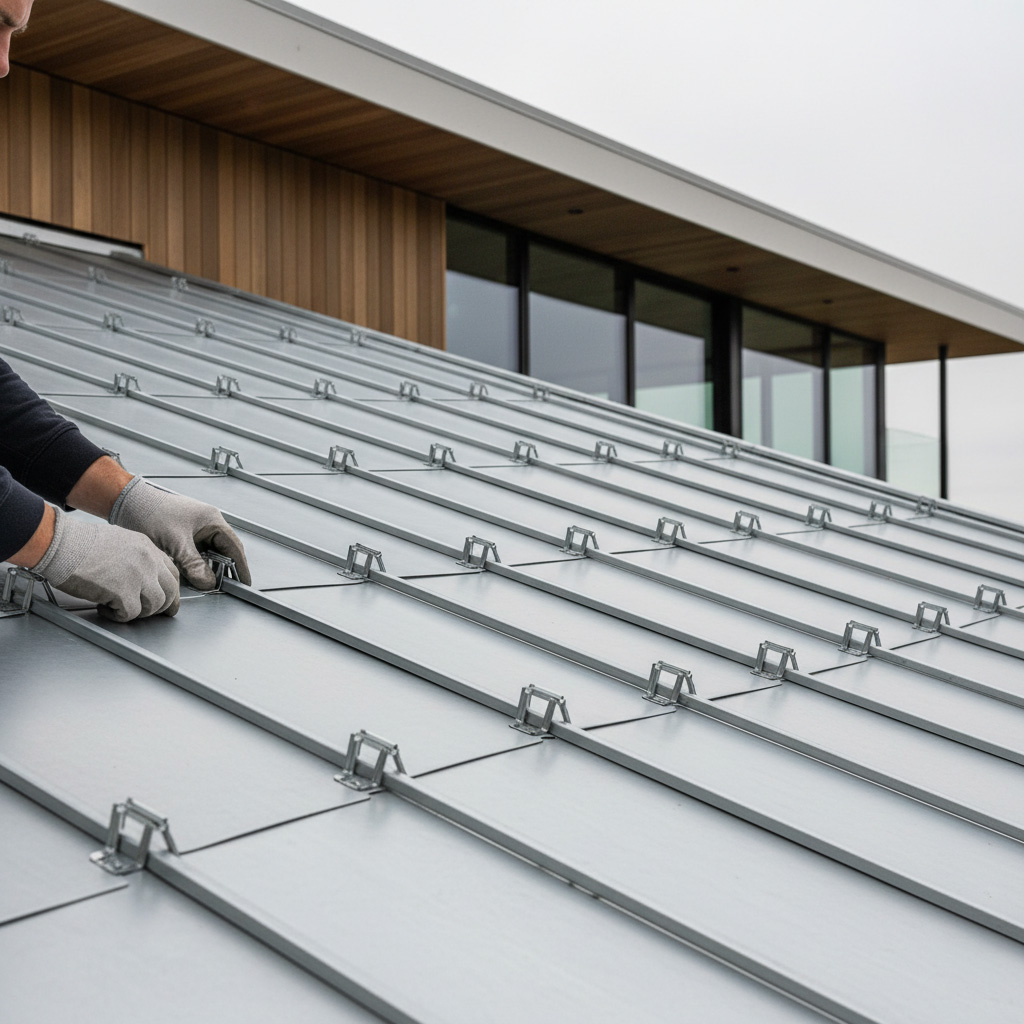


⚡ TL;DR: Learn the 7 common roof replacement mistakes to avoid in Salem, OR, like skipping inspections and poor material choices, for a durable roof in wet Oregon conditions.
📋 What You’ll Learn
In this guide to avoiding 7 roof replacement mistakes in Salem, OR, you'll uncover essential strategies for inspections, materials, contractors, and installations that ensure lasting protection against local weather challenges.
- Master climate-specific inspections to spot hidden issues in Salem's wet conditions, preventing leaks, rot, and expensive fixes before replacement begins.
- Choose resilient roofing materials built for Oregon winters, resisting ice dams, heavy rains, and winds that cause premature failures and replacements.
- Vet contractors effectively by verifying licenses, references, and fair bids to avoid unlicensed work, delays, and subpar results in Salem projects.
- Prioritize flashing and ventilation around chimneys, vents, and attics to block moisture intrusion and boost energy efficiency for longer roof life.
- Apply lessons from real fixes like underlayment errors and permit oversights, helping Salem families achieve durable, code-compliant roofs effortlessly.
📖 Reading time: 7 min
✍️ Author expertise: Salem, OR roofing pro with 20+ years of hands-on replacements in local wet climates.
You're staring at your ceiling in Salem, water dripping like a faucet after that "bargain" roof job you rushed into last winter. One tiny oversight during replacement, and bam—your home's a soggy mess, repair bills stacking up faster than the rain clouds over the Willamette Valley.
We've seen it too many times: good folks here in Salem OR hand over their hard-earned cash, only to watch contractors cut corners that turn a simple roof swap into a nightmare.
But it doesn't have to go down that way. Discover the seven roof replacement mistakes we always sidestep so your new roof stands strong against our brutal Oregon weather.
Mistake #1: Skipping a Thorough Pre-Replacement Inspection in Salem's Wet Climate
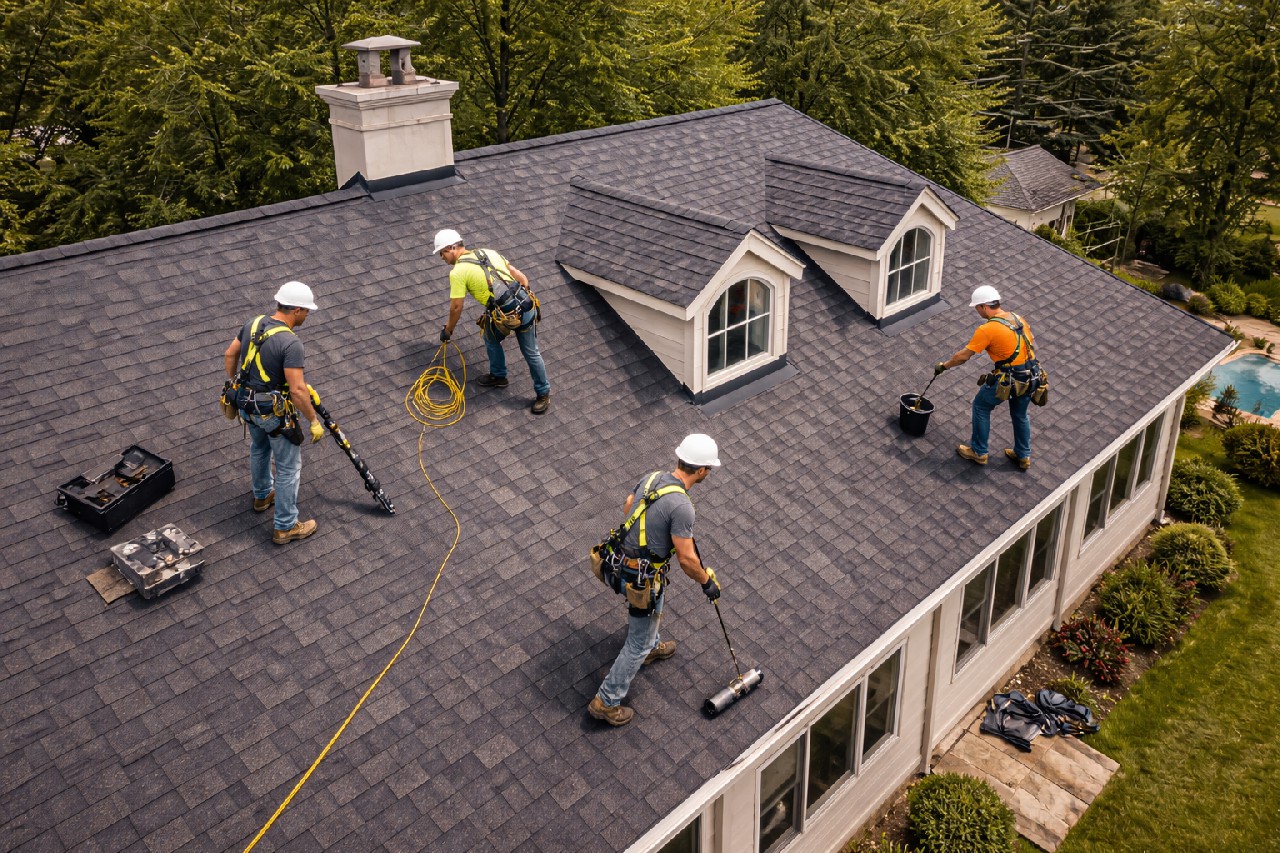
Salem's relentless rain turns a skipped inspection into a disaster waiting to happen. Moss creeps in, rot festers under shingles, and weak spots hide until leaks punch through. One overlooked issue, and your new roof fails before it even settles.
Here's what a solid inspection uncovers before we rip off the old roof.
- Structural damage from years of wet Willamette Valley downpours.
- Hidden rot in sheathing that demands replacement, not patching.
- Poorly sealed penetrations around pipes and skylights.
Skip this step, and you're layering new materials over a ticking bomb. We catch these early, saving you thousands in callbacks. Your roof lasts decades when we start right.
Mistake #2: Choosing Inadequate Roofing Materials for Oregon Winters
Picture this: your shiny new roof after a mild fall install. Then bam, Oregon winter hits with relentless rain, ice dams, and howling winds whipping through the Willamette Valley.
Cheap asphalt shingles crack under freeze-thaw cycles. They curl at the edges, letting water sneak in. Suddenly, leaks pop up everywhere in Salem homes.
Why Skimping on Materials Backfires Here
Salem's weather demands tough stuff. Basic three-tab shingles fade fast against our moss and algae. They blow off in gusts over 60 mph, common around here.
- Opt for architectural shingles with impact ratings—they flex without breaking.
- Go metal for unbeatable longevity in wet, windy conditions.
- Always pair with high-quality synthetic underlayment that breathes and sheds water like a duck's back.
We've replaced dozens of roofs ruined by "budget" picks. Stick to materials tested for Pacific Northwest brutality, and your roof laughs off winters for decades.
Mistake #3: Hiring Unlicensed or Low-Bid Contractors
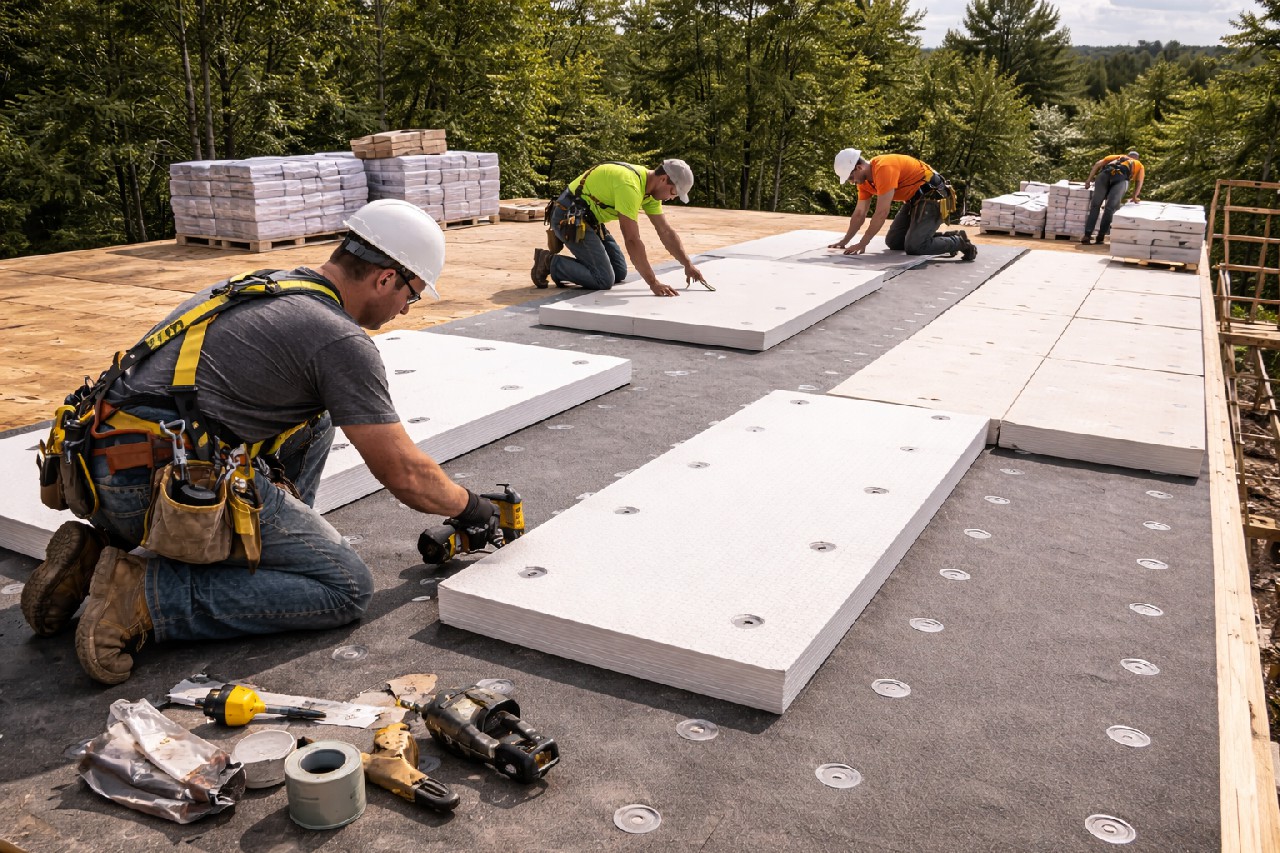
Picture this: you snag the lowest bid on a new roof, thinking you've hit the jackpot. Fast forward six months, leaks everywhere, and the "contractor" ghosts you. No license means no accountability in Salem, where Oregon's Construction Contractors Board (CCB) sets the rules for a reason.
Unlicensed outfits skip insurance, warranties, and code compliance. They vanish when problems hit, leaving you footing massive repair tabs. Low bids often hide cheap shortcuts like thin shingles or hasty installs that crumble under our relentless rains.
Spot the Red Flags Before It's Too Late
- No CCB license number on their quote or truck? Walk away.
- Pressure to sign fast with "cash discounts"? Huge warning.
- Vague details on materials or timeline? They're winging it.
Get three bids from licensed pros. Ask for proof of bonding, insurance, and local references. Pay a bit more upfront for peace of mind that lasts decades, not disasters.
Mistake #4: Neglecting Proper Flashing Around Chimneys and Vents
Picture this: rain hammers your Salem roof nonstop, sneaking past poorly installed flashing around that brick chimney. Water pools, seeps into cracks, and suddenly you've got rot eating your framing from the inside out. Skip this step, and your "new" roof turns into a leak factory faster than you can say Willamette Valley downpour.
Flashing Done Right (And Wrong)
Flashing seals those tricky spots where roof meets chimney, vents, or skylights. Contractors who skimp use thin, cheap metal that warps or rusts quick in our damp air. Go pro, and you get step flashing layered like armor, bent tight, sealed with high-grade butyl tape.
- Check for continuous flashing up the chimney sides, not just base pieces.
- Insist on counter-flashing tucked under siding for double protection.
- Avoid asphalt "step" shortcuts; they crack under freeze-thaw cycles.
We've ripped off plenty of roofs where bad flashing hid mold festivals underneath. Demand your crew shows you the install mid-job. It'll save you thousands in future headaches.
Mistake #5: Overlooking Ventilation and Insulation Upgrades
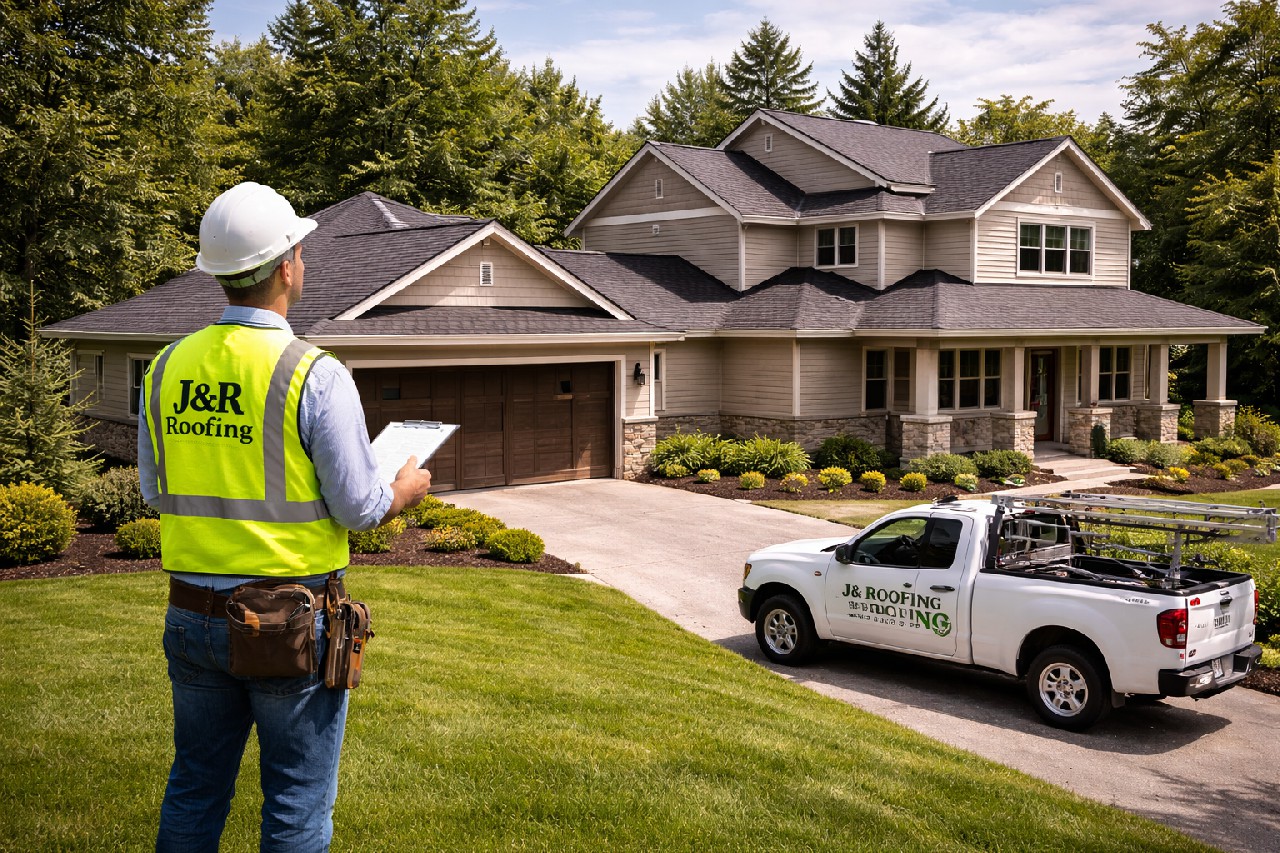
Picture this: your shiny new roof sits pretty, but inside, your attic turns into a steam room. Salem's relentless rain and cold snaps trap moisture up there without proper vents, breeding mold and wood rot faster than you can say "leaky ceiling."
Skipping these upgrades during replacement? Big error. We're talking ice dams that punch through shingles in winter and skyrocketing energy bills year-round.
Spot the Red Flags Early
- Stains on attic walls or rafters.
- High humidity readings above 60%.
- Shingles curling or buckling prematurely.
Fix it right by installing ridge vents, soffit vents, and baffles. Pair that with blown-in insulation rated for Oregon's chill, and your roof lasts decades longer.
We've boosted ventilation for Salem homeowners and watched their AC units quit working overtime in summer. Your wallet thanks you. Don't let this mistake sneak up on your replacement project.
Case Study: How We Fixed Underlayment and Permit Errors for a Salem Family
Picture this: The Johnsons, a family right here in Salem's Lancaster neighborhood, called us after their "budget" roofer vanished. Leaks soaked their kids' bedrooms just months after install. Turns out, the crew slapped on cheap, thin underlayment that tore during our soggy winters.
The Mess They Inherited
- No proper permits filed with Marion County – city inspectors slapped them with fines.
- Underlayment barely met code, failing fast under Oregon rain.
- Shingles looked fine from the street, but inside? Disaster.
We ripped it all off in one day. Installed premium synthetic underlayment rated for 30+ years. Pulled permits ourselves, passed inspection with flying colors.
Now? Zero leaks after two rainy seasons. The Johnsons sleep sound, no more buckets under beds. Their roof's built to laugh at Willamette Valley downpours.
Final Thoughts: Avoid These 7 Mistakes for a Lasting Roof
Picture this: your roof shrugging off Salem's endless downpours, year after year. Dodge these pitfalls, and that's your reality. No leaks. No headaches. Just peace of mind.
We've hammered home the big ones—from skipping inspections to botched flashing. But here's the kicker: one smart choice upfront saves you thousands later. Check our full guide on roof replacement for more battle-tested tips tailored to our Oregon grind.
- Inspect before you commit.
- Pick materials built for wet winters.
- Vet contractors like your home depends on it—because it does.
- Insist on pro flashing, vents, and airflow.
Ready to bulletproof your roof? Hit us up today. Salem homes deserve roofs that last.
People Also Ask
What are the most common roof replacement mistakes in Salem, OR?
Skipping a thorough pre-replacement inspection in Salem's wet climate leads to undetected issues like hidden leaks or structural damage. Choosing inadequate materials for Oregon winters causes premature failure, while hiring unlicensed low-bid contractors often results in shoddy work and no warranties. Neglecting flashing, ventilation, and permits exacerbates problems, shortening your roof's lifespan.
Why is a pre-replacement inspection crucial in Salem's climate?
Salem's frequent rain and damp conditions can hide moss growth, rot, or weakened structures beneath old shingles. A professional inspection identifies these issues before replacement, preventing costly callbacks and ensuring the new roof adheres properly. Skipping it risks voiding warranties and leads to leaks soon after installation.
What roofing materials work best for Oregon winters in Salem?
High-quality asphalt shingles with impact resistance and algae protection withstand Salem's heavy rain, wind, and occasional ice. Avoid cheap materials that crack under freeze-thaw cycles; opt for materials meeting Oregon's stringent building codes for longevity. Local experts recommend Class A fire-rated shingles for added safety in wildfire-prone areas.
How do I avoid hiring bad roofing contractors in Salem?
Steer clear of unlicensed or lowest-bid contractors who cut corners on materials and labor, leading to leaks and early failures. Verify licenses, insurance, and references through Oregon's Construction Contractors Board, and choose companies with proven local experience in Salem's weather challenges. Get multiple detailed bids and check reviews on sites like BBB for reliable service.
Why is proper ventilation important during roof replacement in Salem?
Inadequate ventilation traps moisture in Salem's humid climate, causing mold, rot, and reduced energy efficiency. Upgrading to ridge vents and soffit vents alongside replacement improves airflow, extends shingle life, and lowers heating costs. Pair it with better insulation for optimal performance in Oregon's variable weather.

Salem Roofing delivers roofing services with deep expertise to homeowners and businesses in Salem, OR. The team draws on years of experience in installations, repairs, and maintenance suited to the local climate. Committed to the Salem community, Salem Roofing focuses on reliable craftsmanship.
Need Roofing?
Quick roof repairs and replacements in Salem, OR plus nearby areas (97301, 97302, 97303, 97304, 97306) for leak-free protection.
Get Roof Quote